

COMPLIANCE

ISO 27001

The ISO 27001 is an internationally recognized benchmark for information security management and serves as a useful tool for organizations to showcase the strength of their security measures to potential customers. By adopting a systematic approach, this standard helps protect sensitive information within a company. Although conducting a vulnerability assessment is not mandatory for ISO 27001, it emphasizes the importance of identifying and addressing vulnerabilities as part of a comprehensive risk management strategy.

3 principles of ISO 27001

ISO 27001 is an international standard for information security that helps organizations manage and protect their information assets. The standard is founded on three core principles:

Confidentiality

This principle refers to the protection of information from unauthorized access and disclosure. It ensures that sensitive data is accessible only to those who have the right to view it.

Integrity

Integrity relates to maintaining the accuracy and consistency of data over its entire lifecycle. It assures users that information hasn’t been altered in unauthorized ways.

Availability

Availability ensures that information and related assets are accessible when needed by those authorized to use them.

Optimizing information security with ISO 27001

Achieving and maintaining ISO 27001 compliance involves continuous:

  • Risk assessments


    Identifying and assessing information security risks.
  • Risk management


    Implementing controls and measures to mitigate identified risks.
  • Continuous improvement


    Regularly reviewing and improving the ISMS to adapt to changes in the organization’s information security landscape.

ISO 27001 requires organizations to perform a risk assessment to identify and assess information security risks. Vulnerabilities in systems, applications, or processes are one of the factors that contribute to these risks. Organizations are expected to consider vulnerabilities when identifying and evaluating risks to the confidentiality, integrity, and availability of information.

Once risks are identified, ISO 27001 mandates that organizations develop a risk treatment plan. Part of this plan may involve vulnerability management. If vulnerabilities are identified as significant contributors to information security risks, the organization should take steps to mitigate those vulnerabilities.
True Unification Holm Security Platform

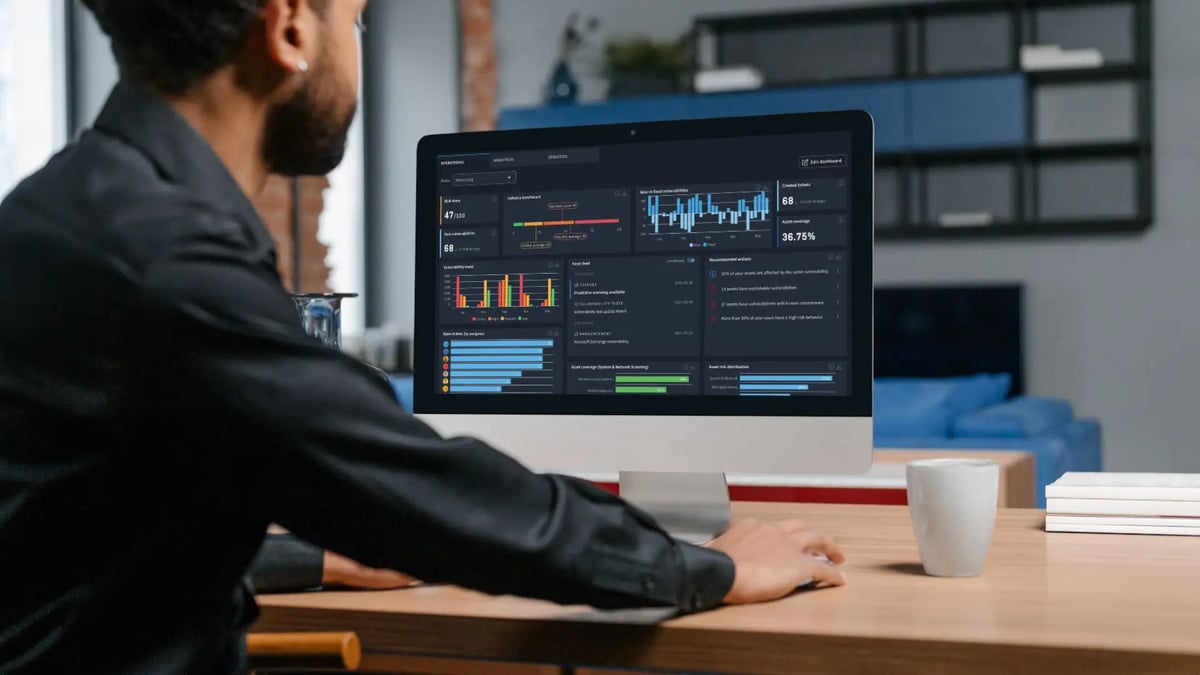
Tackle ISO 27001 with exposure and vulnerability management

Elevating security through continuous improvement

ISO 27001 emphasizes the importance of a continuous improvement cycle. Organizations are required to regularly review and update their risk assessment, risk treatment plan, and information security controls. 

While ISO 27001 does not prescribe specific vulnerability assessment methodologies or tools, it highlights the need for organizations to integrate vulnerability assessments and management into their overall information security program. The standard advocates a risk-based approach, and vulnerability assessments are vital in identifying and mitigating risks to an organization's information assets. Consequently, organizations seeking ISO 27001 certification should have processes in place to assess, prioritize, and remediate vulnerabilities as part of their information security management system.

Risk assessments

Automated and continuous risk assessments to identify risks (vulnerability management).

Risk treatment plan

We support our customers in implementing a long-term risk treatment plan.

Control selection

We support you in finding and remediating technical vulnerabilities.

Continuous improvement

Vulnerability management keeps you informed about emerging vulnerabilities, allowing you to adapt your security measures accordingly.

Security and compliance in one

By adhering to the principles of risk assessment, risk treatment, continuous improvement, and control selection, you can protect your organization's valuable data and foster a culture of security awareness and proactive risk management among your employees. These standards provide a reliable framework that guide you through the complex realm of information security, offering a clear and trustworthy path toward a secure and compliant future.

Risk assessment (§6.1.2)

ISO 27001 requires organizations to perform risk assessments to identify and assess information security risks.

Risk treatment (§6.1.2)

Once risks are identified, organizations must develop a risk treatment plan. Part of this plan may involve vulnerability management.

Continuous improvement (§10.1)

ISO 27001 promotes a cycle of continuous improvement. Organizations are required to regularly review and update their risk assessments, risk treatment plan, and information security controls.

Control selection (§6.1.3)

The ISO 27001 standard includes a list of control objectives and their corresponding controls in Annex A. These include A.12.6.1 for managing technical vulnerabilities, A.14.2.7 for system vulnerability assessments, and A.14.2.8 for remediating technical vulnerabilities.

See for yourself
Try our platform today

FAQ

About ISO 27001

What is ISO 27001?

ISO 27001 is a standard for information security that was issued by the International Organization for Standardization (ISO) and the International Electrotechnical Commission (IEC). Formally known as ISO/IEC 27001:2022, this standard provides a framework for establishing, implementing, maintaining, and continually improving an Information Security Management System (ISMS).

The ISMS is designed to help organizations secure their information through a risk management process, involving the development and implementation of policies, procedures, and other measures to prevent information security breaches and respond effectively if they occur. ISO 27001 is applicable to organizations of all types and sizes, including public and private companies, government entities, and not-for-profit organizations.

ISO 27001 is part of a broader family of standards known as the ISO/IEC 27000 series, which covers various aspects of information security management and includes additional standards that provide guidance on specific areas, such as risk management, auditing, and implementing security controls.

Why is ISO 27001 important?

ISO 27001 is important for several reasons, primarily due to its comprehensive framework for managing and protecting information. Key reasons why ISO 27001 is vital for organizations:

Risk management:
  • Helps in identifying and addressing the various risks related to information security.
  • Provides systematic guidelines to mitigate, transfer, avoid, or accept risks effectively.
Data protection:
  • Establishes a set of controls to protect data from unauthorized access, disclosure, alteration, and destruction.
  • Implements preventive measures to reduce the likelihood of data breaches and leaks.
Legal and regulatory compliance:
  • Ensures that organizations comply with legal, regulatory, and contractual requirements related to information security.
  • Provides a framework to demonstrate compliance with various data protection laws (like GDPR, HIPAA), reducing legal penalties and fines.
Business continuity:
  • Facilitates the development of business continuity and disaster recovery plans to ensure operations can resume quickly after a security incident or other disruptions.
Customer confidence:
  • Enhances the confidence of customers, clients, and stakeholders by demonstrating a commitment to information security.
  • Offers a competitive edge in the marketplace, especially when clients or customers are concerned about the security of their data.
Internal culture:
  • Fosters a culture of security awareness among employees and stakeholders, promoting responsible behavior.
  • Facilitates ongoing training and awareness programs to ensure staff understands and follows security policies and procedures.
Operational efficiency:
  • Improves efficiency by optimizing and standardizing processes related to information security management.
  • Avoid financial loss and reputational damage by preventing security incidents and data breaches.
Global recognition:
  • ISO 27001 is internationally recognized, providing global credibility. This is crucial for businesses operating, or planning to operate, in multiple countries.
Third-party relationships:
  • Ensures that suppliers, vendors, and other third parties adhere to the same high standards of information security, protecting the extended enterprise environment.
Audit and review:
  • Facilitates regular audits and reviews to continually improve the organization’s information security posture and compliance with the changing security landscape.

What’s the difference between ISO 27001 compliance and certification?

Compliance with ISO 27001 means an organization follows the standard’s guidelines, often verified through internal assessment but without official third-party validation. Certification, however, is a formal recognition obtained after an accredited third-party body assesses and verifies the organization's adherence to all ISO 27001 requirements. Certification generally provides greater trust and recognition compared to compliance alone.